

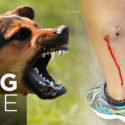
Dog Bite Law Differences in MA, NH, and ME That Can Change the Value of a Claim

Not every dog bite case is valued the same way, and one reason is that the law is not identical across Massachusetts, New Hampshire, and Maine. Many people assume a dog bite claim is simple: prove the dog bit someone and collect damages. Sometimes it is that straightforward. Sometimes it is not. The state where the attack happened can materially change what you have to prove and how hard the insurance company will fight.

Massachusetts has a victim-friendly dog statute. In general terms, the owner or keeper of a dog is liable for damage the dog causes to a person or property, unless the injured person was trespassing or was teasing, tormenting, or abusing the dog. That matters because the case does not always begin with a fight over whether the owner knew the dog was dangerous. In many Massachusetts claims, the legal focus moves more quickly to damages and defenses instead of a long battle over prior notice.

New Hampshire is also favorable to many dog bite victims. Its statute allows recovery for damage caused by a dog from the person who owns, keeps, or possesses the animal, with important limits where the injured person was engaged in a trespass or other tort. Like Massachusetts, that framework can make it harder for the defense to hide behind the old idea that “the dog never bit anyone before.” The lack of a prior bite history is not the shield many dog owners think it is.

Maine can look different. Maine law includes statutory language focused on damage caused by an animal due to the negligence of the owner or keeper. In practical terms, that can make the proof issues more contested in some cases. Instead of moving directly to damages, the claim may involve a stronger fight about what the owner knew, what precautions were taken, whether the animal was restrained, whether the setting created foreseeable risk, and whether the owner acted reasonably under the circumstances.

That legal difference can affect case value in real life. When liability is easier to establish, an insurer may have less room to contest the claim and may focus more on the amount of medical treatment, scarring, pain, and long-term harm. When liability is more disputed, the defense may press harder on facts, blame, and causation, which can change settlement posture and litigation strategy.

The age of the victim can also matter. Child dog bite cases often carry special emotional and long-term considerations because scarring, trauma, and future treatment may be more significant. Facial injuries, nerve damage, and permanent visible scarring can drastically increase value, but only if the case is developed correctly with good records, photographs, and, when appropriate, medical or cosmetic treatment evidence.

Insurance coverage matters too. Many dog bite claims are paid through homeowners’ or renters’ insurance, but coverage fights can emerge over where the attack happened, whether the dog was excluded, whether the person being pursued legally qualifies as an owner or keeper, or whether another property-related claim exists against a landlord or third party. A good case can lose momentum if those insurance issues are not identified early.

Defenses also matter. Was the victim lawfully present? Was there evidence of teasing or abuse? Was this really the dog in question? Are there prior inconsistent statements? Has the insurer tried to frame a child’s normal behavior as provocation? These are the kinds of details that change leverage.

Bowser Law handles dog bite cases throughout Massachusetts, New Hampshire, and Maine, and that tri-state perspective matters. A lawyer who understands the legal differences can evaluate the case correctly from the start instead of treating all dog bite claims as interchangeable. That leads to better strategy, better evidence development, and stronger negotiations.

If you were injured in a dog attack, the key question is not only how bad the injury is. It is also where it happened, what the applicable law requires, and how to prove the claim under that state’s rules. Bowser Law can help you assess liability, preserve evidence, and pursue the maximum value of your case.

What To Do in the First 7 Days After a Dog Bite in Massachusetts, New Hampshire, or Maine

The first week after a dog bite matters more than most people realize. Right after the attack, most victims are focused on pain, fear, and confusion. Parents are trying to calm a child. Adults are embarrassed, shaken up, or hoping the injury is “not that bad.” But the steps you take in the next seven days can have a major effect on your health, your insurance claim, and your ability to prove what really happened.

The first priority is medical care. Dog bites can cause far more damage than the initial wound suggests. Infection risk is real. So are puncture wounds, tearing injuries, scarring, nerve damage, and emotional trauma. Get examined promptly, even if the bite seems minor. Follow the treatment instructions. If the bite worsens, return for additional care. Gaps in treatment are bad for both your health and your case.

Next, identify the dog and the dog’s owner or keeper if you can do so safely. Get names, phone numbers, and the address where the dog is kept. Ask for the dog’s vaccination information if available, especially rabies status. If witnesses saw what happened, get their contact information right away. Witnesses disappear quickly, and memories get worse fast.

Take photographs as soon as possible. Photograph the wounds before they change, the torn clothing, the blood, the scene, the fence or lack of fence, broken leash equipment, warning signs, and anything else that helps explain how the attack occurred. Keep taking photographs over time as bruising develops, stitches come out, or scars begin to form. Early images are often among the best pieces of evidence in a dog bite case.

Report the incident to the appropriate local authority. That may be animal control, the police, a local health department, or another municipal agency depending on where the attack happened. A formal report can help document the date, location, owner information, and immediate aftermath. It can also trigger a vaccination review or quarantine process that may matter medically.

Do not throw away physical evidence. Keep the clothing and shoes you were wearing, even if they are bloody or torn. Save receipts, discharge papers, prescriptions, mileage records, and any communication with the owner, insurer, landlord, or property manager. Start a simple file and keep everything in one place.

Be careful what you say to the dog owner or an insurance adjuster. It is common for the owner to sound apologetic at first and then become defensive once insurance gets involved. It is also common for people to say things like “I’m okay” or “It was partly my fault” before they fully understand the injury. Do not minimize the event. Stick to the facts.

If the victim is a child, document the emotional impact as well as the physical injury. Sleep problems, fear of animals, changes in mood, school disruption, and counseling are all important. Dog bite cases are not only about the emergency room bill. They are also about what the attack changed.

One more point matters in tri-state cases: the law is not identical in Massachusetts, New Hampshire, and Maine. That means the right legal strategy depends partly on where the attack occurred. But regardless of the state, the first-week evidence is critical. Photos, medical records, witness names, owner information, and a prompt report make a better case everywhere.

Bowser Law handles dog bite injury cases across Massachusetts, New Hampshire, and Maine. The firm understands that these cases often involve homeowners’ insurance, disputed facts, and long-term scarring or trauma that insurers try to downplay. The early goal is simple: protect the evidence before it disappears and protect the victim before the insurance company starts controlling the story.

If you or your child was bitten by a dog, do not wait until the wound becomes infected or the scar becomes permanent to start taking the case seriously. Use the first seven days wisely. Then talk with Bowser Law about how to protect your claim and pursue full compensation.

Dog Bite Liability

Dogs play an important part of the lives of many people. Of course, they can be cherished pets and companions, and they also work as service animals. Even so, we cannot forget that underneath that fuzzy exterior and behind those wagging tails are the genes of one of humanity’s greatest fears; wolves. When a dog bites a person, the resulting injury can be gruesome.

When a dog does bite someone, what liability does a dog owner have in the tri-state area? In New Hampshire and Massachusetts, a dog owner is strictly liable for any injury the animal causes. In relation to dog bites, this means that to recover damages for an injury, a bitten person only has to prove that they were bitten by a dog, and that the dog they were bitten by was owned or kept by the person she or he is trying to recover damages from.

In Maine, the law works a little differently. Owners are strictly liable for injuries caused by their dogs when the injuries do not occur on the owner’s property. When the injury occurs on the owner’s property, however, Maine law only allows an injured party to recover damages where the owner or keeper of the dog acted negligently. This means that the owner of the dog did not do what a reasonable person would have done in a similar situation.

There are some additional legal principles to keep in mind when considering dog bite cases.

New Hampshire:

Although you are generally always entitled to recover damages from the owner of a dog, there are a couple principles to keep in mind.

First, if you are on a property without permission when you are bitten by the dog, or if you’re otherwise committing a tort (for example, if you were bitten by a dog while assaulting its owner), then you are completely barred from recovery. RSA 466:19.

Secondly, your damages may be reduced if you are found to be partly at fault for the dog bite. Bohan v. Ritzo, 141 N.H. 210, 216 (N.H. 1996). Consider if you antagonized or teased the dog before it bit you, for example. If you did, the Court might find you partly at fault and would reduce any damages you would receive by how much at fault you were. You would still be able to recover some damages, but your final recovery would be reduced.

Finally, if you are bitten by a police dog, the town or city that owns the dog is not liable for the injury if the dog was being used reasonably. Blais v. Goffstown, 119 N.H. 613, 617 (N.H. 1979)

Massachusetts:

Similarly to the law in New Hampshire, you will not be able to recover damages if you were trespassing or committing another tort when you were bitten. However, unlike New Hampshire, if you were bitten because you “teased, tormented, or abused” the dog, then you are also completely barred from recovery. It is very important to note, however, that children are treated specially here. Courts recognize that children under seven years old don’t view dogs the same way older children and adults might. As such, they are presumed to not be at fault, and the owner of the dog will have to present evidence of fault in a case. G.L. c. 140, s. 155.

Co-owning a dog with someone else also bars you from recovering for an injury from a co-owner. Youngblood v. Harrington, No. 970907 (August 25, 1998). But while you might not be able to recover from a co-owner, you can recover from people who are only keeping a dog, but don’t own it. If a person has custody or control of a dog, and you aren’t at least a partial owner of the dog, you can attempt to recover damages from them. Burgess v. Uzarins, 1999 Mass.App.Div. 81 (1999).

Unlike New Hampshire, this also includes cities. While you can sue a city if a police dog bites and injures you, different laws apply. Rather than simply having to prove an injury and ownership of the dog, you would have to prove that the police dog was known to be vicious to the police officer or municipality. The fact that police dogs are trained to apprehend people is on its own insufficient to prove viciousness. Audette v. Commonwealth, 63 Mass.App.Ct. 727 (2005) (citations omitted).

Maine:

Unlike in New Hampshire and Massachusetts, damages recovered for physical injury caused by a dog cannot normally be reduced by a Maine court if the injured person if partly at fault. However, if the court determines that the injured person’s fault was greater than that of the dog’s owner or keeper, then a court may find that the injured person is not entitled to recover any damages. Whether the injured person provoked the dog or was trespassing may be considered when determining fault.

How Attorney Mike Bowser can help you

I recently met with the mother of a young girl who was viciously attacked by a dog which caused severe injuries to her face. She required major surgery and lengthy rehabilitation. She will likely require revision surgery in the future. Not only will she have to bear the physical scars but she deals with the fear and emotional scars as well. When children are attacked so severely, it is especially tragic. There is always the emotional mental distress that includes fear of animals of all types, especially dogs as well as PTSD symptoms.

During this traumatic time, it is my responsibility as a personal injury attorney to help the family piece their lives back together. There are medical bills, the costs of the child’s ongoing treatment, and damages which need to be recoverd.

Here are some case results from clients who we represented in their injury cases:

Dog Bite Claim
$117,000.00

Injury

Dog Bite. Young boy attacked by chained dog in neighbor’s yard. Serious facial lacerations which result in permanent scarring.

Challenge

Homeowner’s insurance carrier denies coverage for claim and files suit against homeowner and injured boy’s family to seek opinion from Court supporting their denial of personal injury coverage under applicable homeowner’s policy. Policy limits $100,000.

Result

Settled prior to trial pursuant to structured settlement for present day and future benefits. $117,000.

If you or a loved one were the victim of an animal attack, please contact us today. We have handled these cases in the past and will fight for your rights. We will not settle until we have secured the best outcome for you.